SNOSEAM OEM ODM PRIVATE LABEL

Functional Jacket Manufacturing for Brands and Organizations

Develop your next jacket around the way it needs to perform, fit and be produced.

SNOSEAM works with brands, importers, distributors and corporate apparel teams on functional outerwear projects. Start with a tech pack, a reference garment or a product idea. We help turn that starting point into decisions on materials, construction, fit, branding and an approved sample.

Bring your brief. Define the specification. Approve the sample.

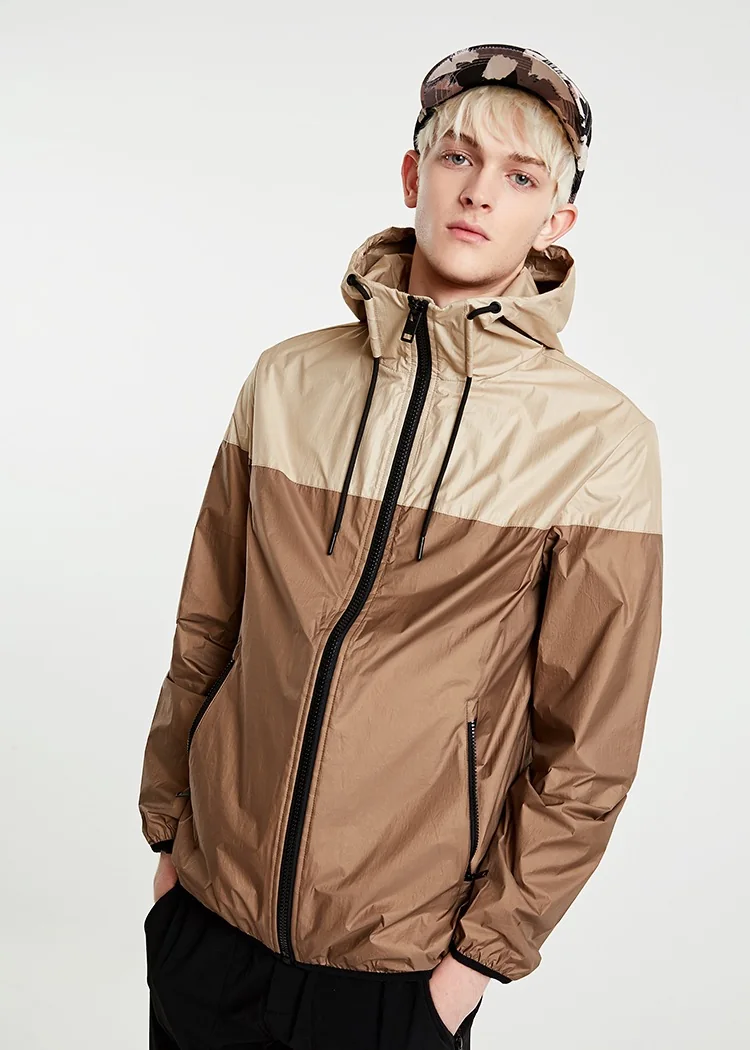
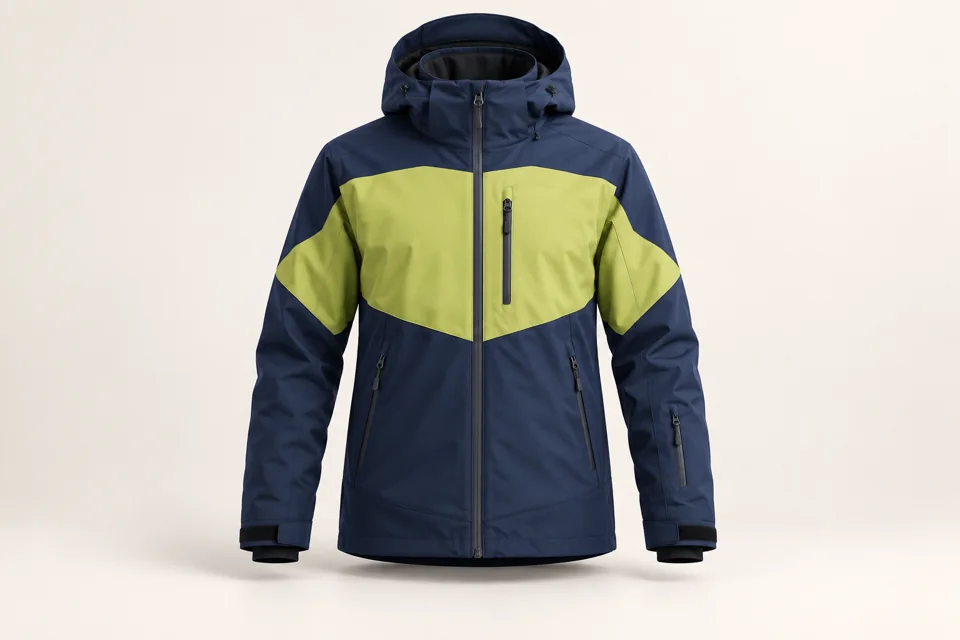
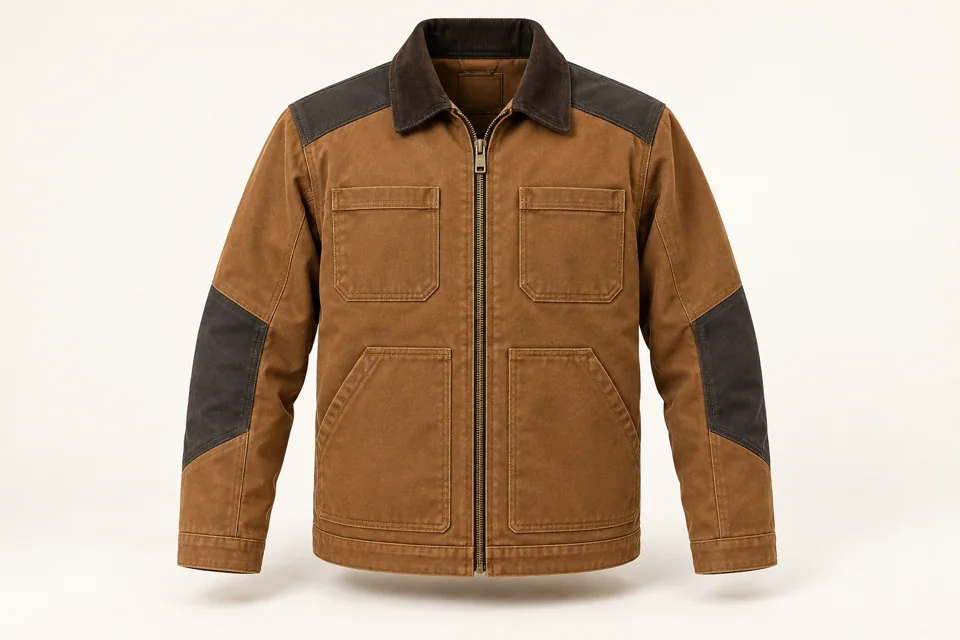
Two-tone hooded jacket reference for custom outerwear development at SNOSEAM

A jacket category

Choose the use case and protection, warmth or layering priorities for the wearer.

An approved reference

Resolve materials, fit and construction in the sample before confirming the bulk version.

A quote ready brief

Connect your specification with quantity, size breakdown, packaging and delivery needs.

FIND YOUR PRODUCT DIRECTION

Choose the jacket direction Then define the specification

Different jackets solve different wearing problems. Use the categories below to frame the development discussion, then narrow the material and construction choices to your target market, price position and intended use.

Waterproof Jackets

For projects where weather protection is central. Define the fabric system, seam treatment, closures and the evidence needed for the finished configuration.

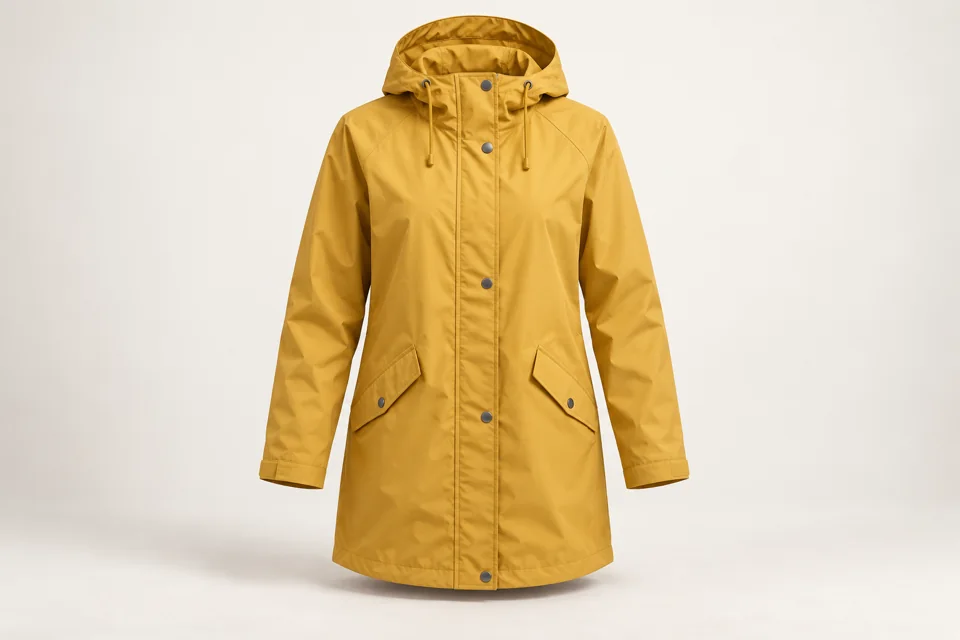
Rain Jackets

Start with expected rain exposure, coverage and wearing time. Compare lightweight packing requirements with the structure and durability your user needs.

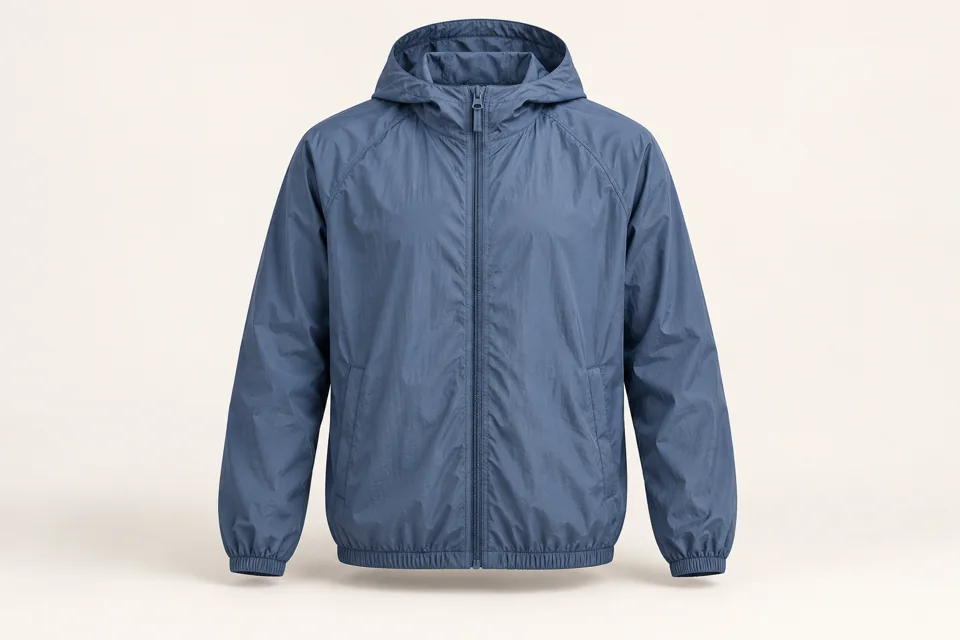
Windbreakers

Develop lightweight outerwear around fabric hand, wind exposure, ventilation, packability and the intended relationship with base or mid layers.

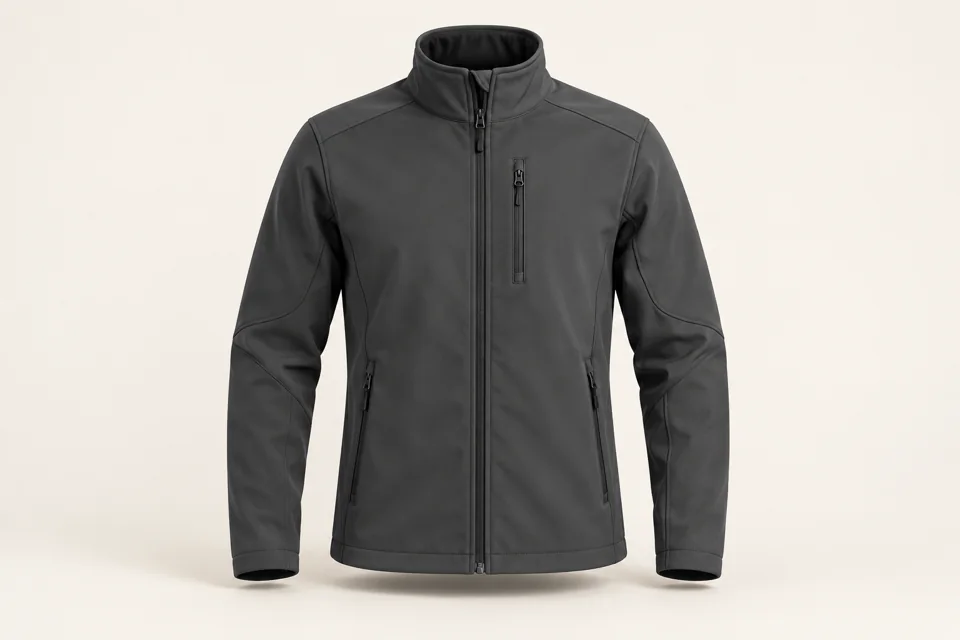
Softshell Jackets

Balance movement, stretch, surface durability, lining and the amount of protection needed. Specify the activity and layering system before choosing a construction.

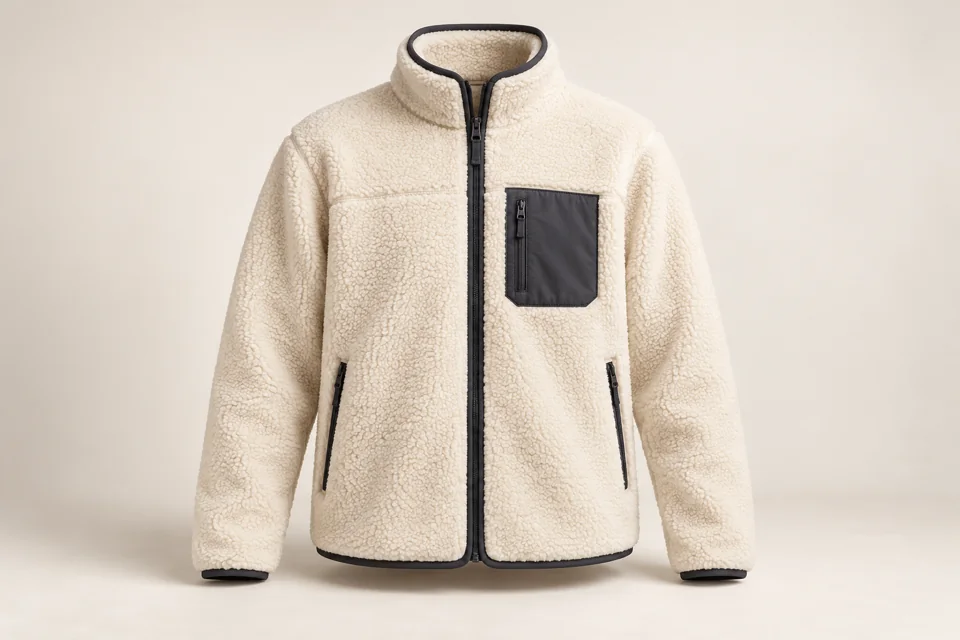
Fleece Jackets

Define fabric structure, weight, warmth, surface finish and layering fit. Review pilling, garment care and appearance requirements for repeat orders.

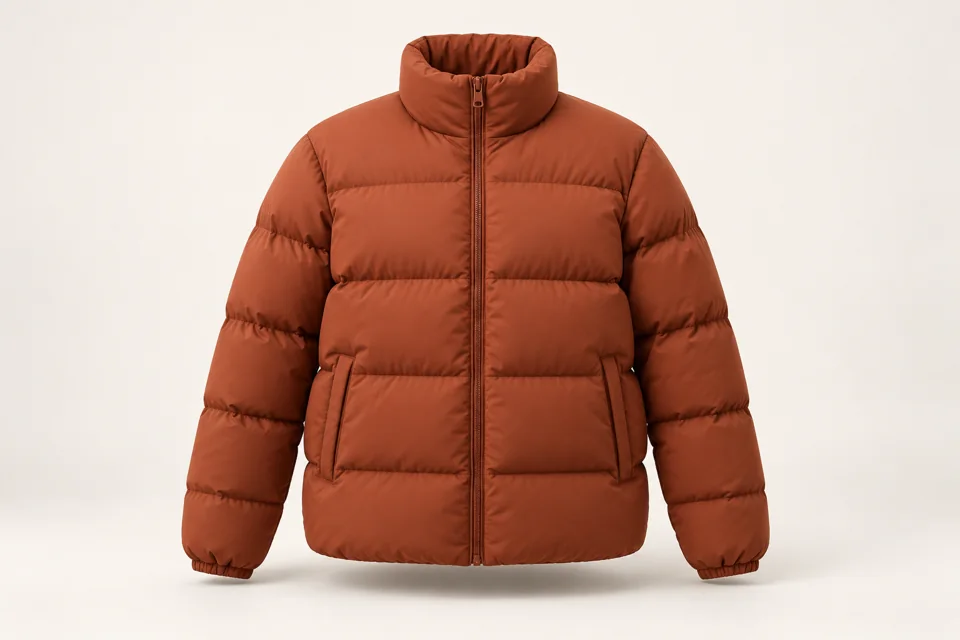
Puffer Jackets

Bring shell, insulation, lining and baffle design into the same brief. Confirm fill distribution, sample appearance, recovery and the intended warmth level.

Ski Jackets

Connect snow protection, movement and layering fit with hood design, ventilation, storage and garment length for your target collection.

Workwear Jackets

Begin with work conditions, wear points, movement and care cycles. Any protective or visibility requirement needs a defined specification and suitable evidence.

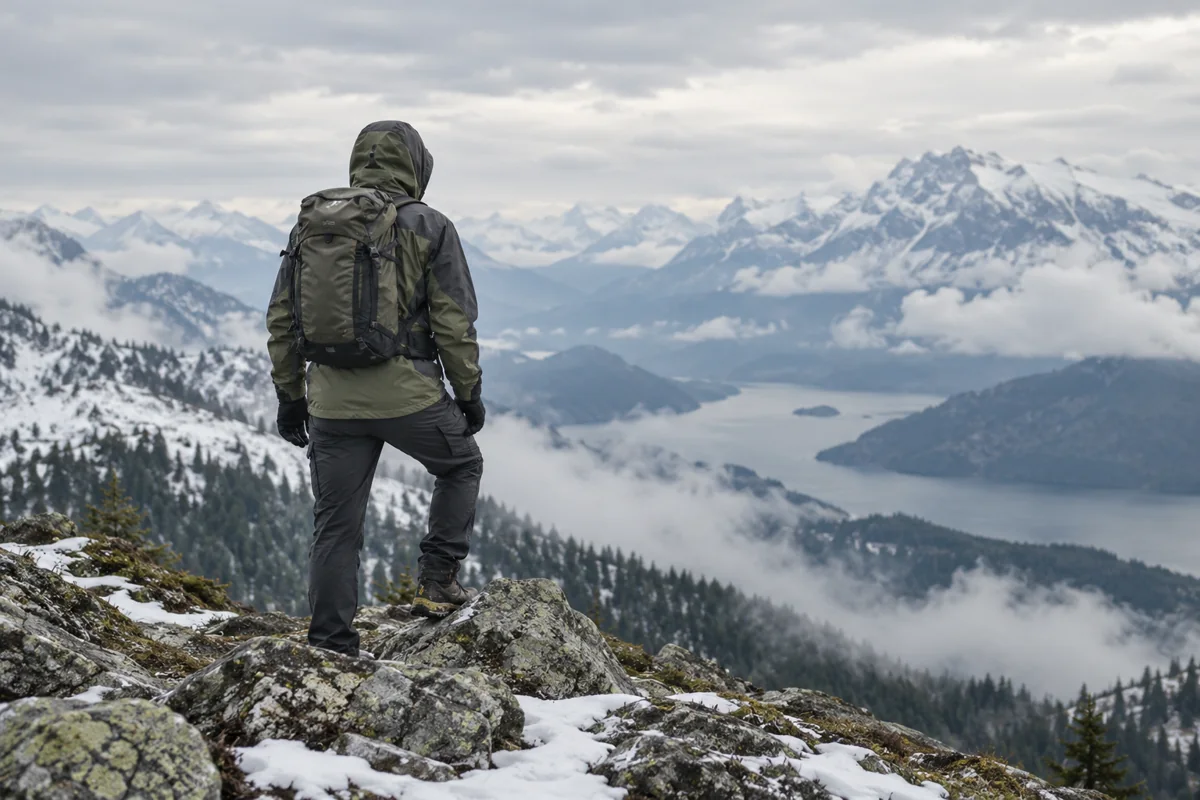
Hiker wearing a hooded shell jacket in a mountain setting, illustrating outdoor apparel use conditions

WHO WE WORK WITH

A development route shaped around your buying task

A product developer, a distributor and a corporate buyer enter a jacket project with different information. We use the brief to identify what is fixed, what needs development and what must be confirmed before a quote or sample can move forward.

Outdoor and performance brands

Build around activity, climate, movement and a layering system. Share your collection direction, intended wearer and the functional decisions that make the product useful.

Ski and snow brands

Coordinate protection, mobility and snow-specific details with the range. Set fit checkpoints, pocket requirements and the performance claims the project needs to support.

Workwear brands and distributors

Describe the working day, care requirements and wear points. Review identification, reinforcement and fit across the program, together with any applicable protective requirements.

Fashion and lifestyle labels

Translate a silhouette and fabric direction into a jacket that can be sampled and repeated. Resolve proportion, hand feel, trims and the functional features the wearer will use.

Corporate apparel teams

Plan a consistent team appearance across roles and sizes. Set branding placement, size distribution, delivery stages and the requirements for future repeat orders.

Private label programs

Start with a brand idea, reference or tech pack. Separate the features you need to retain from the choices still open for development, then confirm the approved configuration.

MATERIALS AND CONSTRUCTION

Make the material choices work as a garment

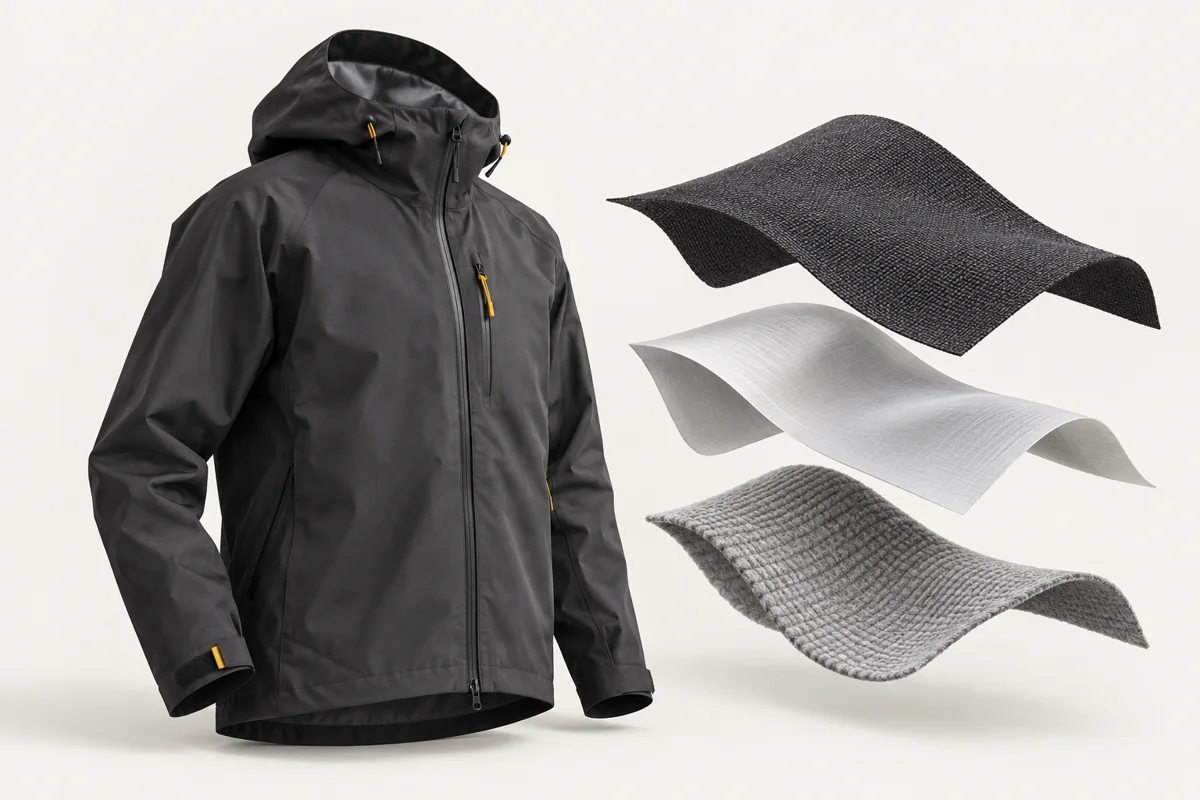
A fabric description is only part of a jacket specification. The outer fabric, membrane or coating where required, lining, seam treatment and closures need to work with the intended fit and wearing conditions.

Start with the problem the wearer needs to solve: persistent rain, short weather exposure, wind, cold, movement or a combination. Then compare the practical trade-offs in weight, feel, stretch, coverage, durability and care.

  • Outer fabric: composition, weave, weight, surface finish and colour reference.
  • Layer structure: intended fabric system, lining and comfort against the next layer.
  • Construction: panel layout, seams, closures, hood and adjustment points.
  • Validation: the test method, sample and acceptance requirement behind each claim.
Shell jacket and textile options illustrating material and construction choices
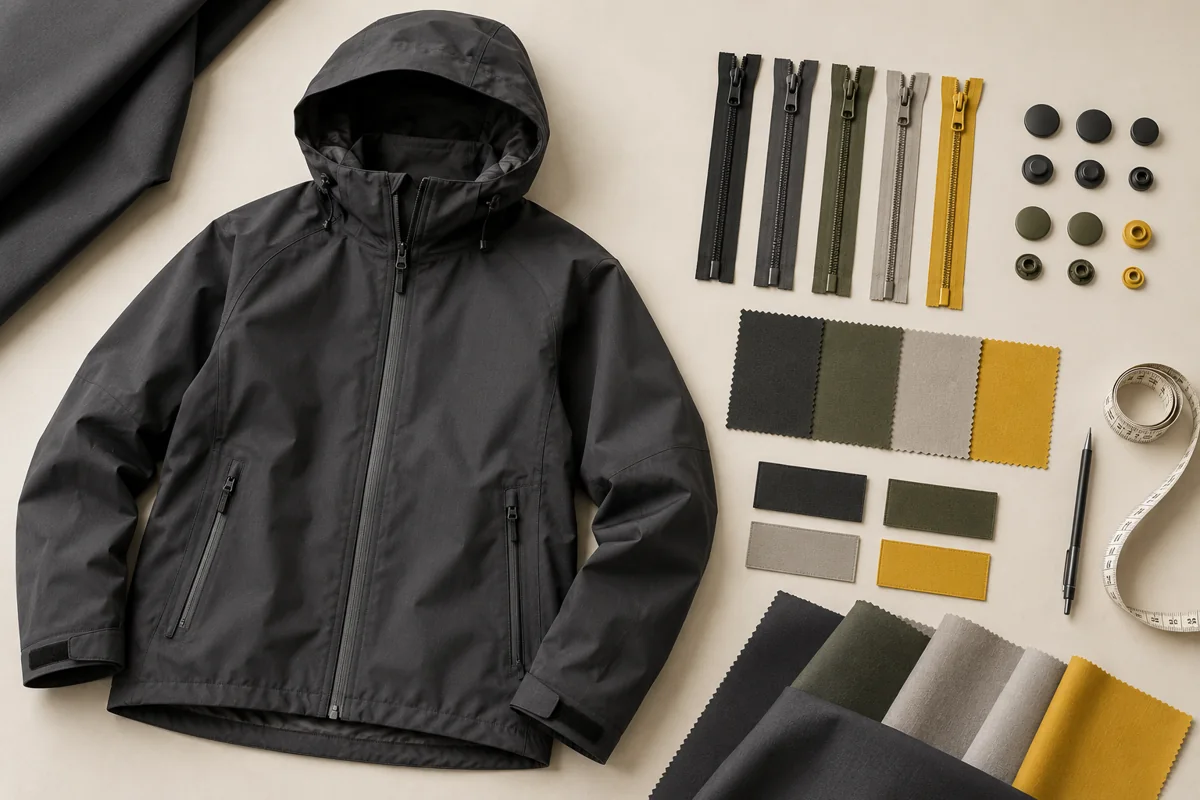
Jacket, fabric colour swatches, zippers and blank labels illustrating private label customization

CUSTOM JACKET DEVELOPMENT

Your brand built into the specification

OEM, ODM and private label projects can begin at different levels of detail. The useful next step is to identify your fixed requirements and the decisions that remain open. Customization is assessed against the selected materials, construction and production arrangement.

Fit and size development

Define the target wearer, size chart, measuring points, tolerances and intended layering allowance. Use fit comments and an approved sample to record the final shape.

Fabric and colour direction

Share fabric references, weight targets, hand feel and colour standards. Confirm availability and the approval route for any material or colour substitution.

Hood pockets and ventilation

Develop the parts the wearer interacts with: hood coverage, collar shape, pocket access, opening positions, ventilation and adjustment details.

Trims and closures

Review zippers, fasteners, cords and other components against the use case, appearance and care requirements. Record the approved trim references.

Branding and private label

Specify logo artwork, size, location, application method, main labels, care labels and hangtags. Evaluate appearance and suitability on the actual sample.

Packaging and order presentation

Confirm folding, individual packaging, size identification, barcode or carton marks and the final packing breakdown before production planning.

FROM BRIEF TO APPROVED SAMPLE

A clear sequence A reviewable decision at each step

A well-prepared sample is a shared production reference. The purpose of development is to make the choices visible, record revisions and reduce uncertainty before a bulk order is agreed.

01 PROJECT BRIEF

Define the product before choosing the details

Share the intended wearer, use environment, target market, jacket category and commercial direction. Add your reference garment, sketches or tech pack, estimated quantity and target delivery window.

Decision to record: A recorded brief and a list of open decisions.

02 MATERIAL REVIEW

Compare options against the wearing requirements

Review fabric, lining, insulation where applicable and trim choices together. Match available documentation to the selected options and identify any testing or additional development needed.

Decision to record: Material references and an agreed development direction.

03 PATTERN AND SAMPLE

Turn the brief into something you can review

Develop the pattern and sample against the size chart, construction details, branding and intended layering. Review measurements, movement, appearance and workmanship using clear comments.

Decision to record: A sample with identifiable version and revision notes.

04 APPROVAL AND VALIDATION

Close the important questions before bulk

Confirm the fit, materials, trims and construction. Check the agreed performance evidence and acceptance requirements against the actual configuration. Record approved changes rather than relying on an informal reference.

Decision to record: An approved sample and a controlled specification.

05 PRODUCTION PLANNING

Connect the approved version with the order

Confirm colour and size breakdown, material supply, packaging, inspection requirements and delivery arrangements. Sampling and production timing depend on the scope and approved inputs for the order.

Decision to record: An agreed order breakdown and production plan.

06 INSPECTION AND PACKING

Check the order against agreed acceptance criteria

Use the approved references to review the relevant measurements, appearance, construction and packaging. Keep findings and any agreed corrective actions tied to the order before shipment arrangements.

Decision to record: Inspection and packing records aligned with the order.

RISK AND VERIFICATION

Verify the configuration Then approve the claim

Terms such as waterproof, breathable or durable need context. The useful evidence connects a requirement with a test method, a defined sample and an acceptance criterion. Materials, seam construction and garment details should be reviewed together before a performance statement is agreed.

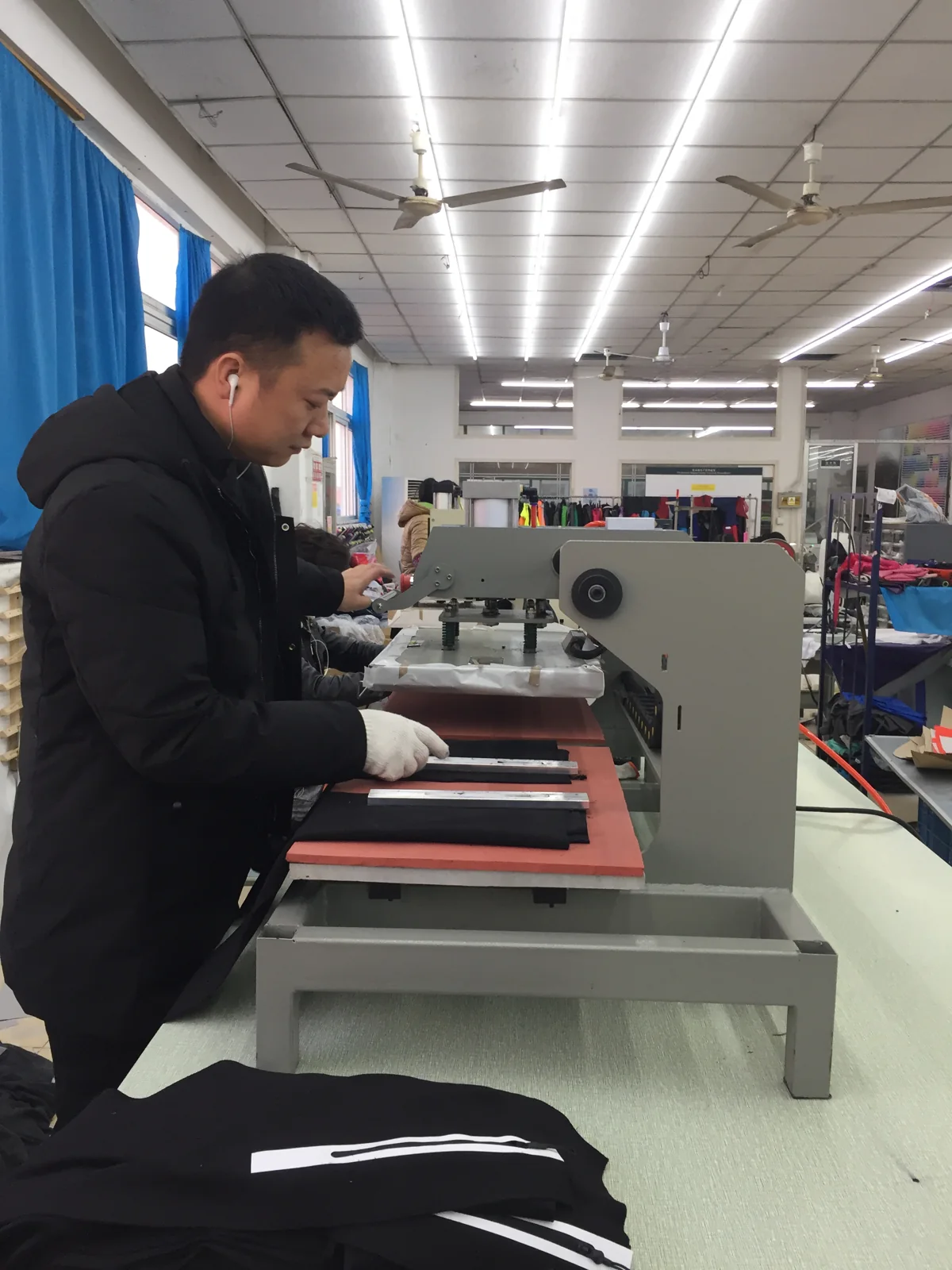
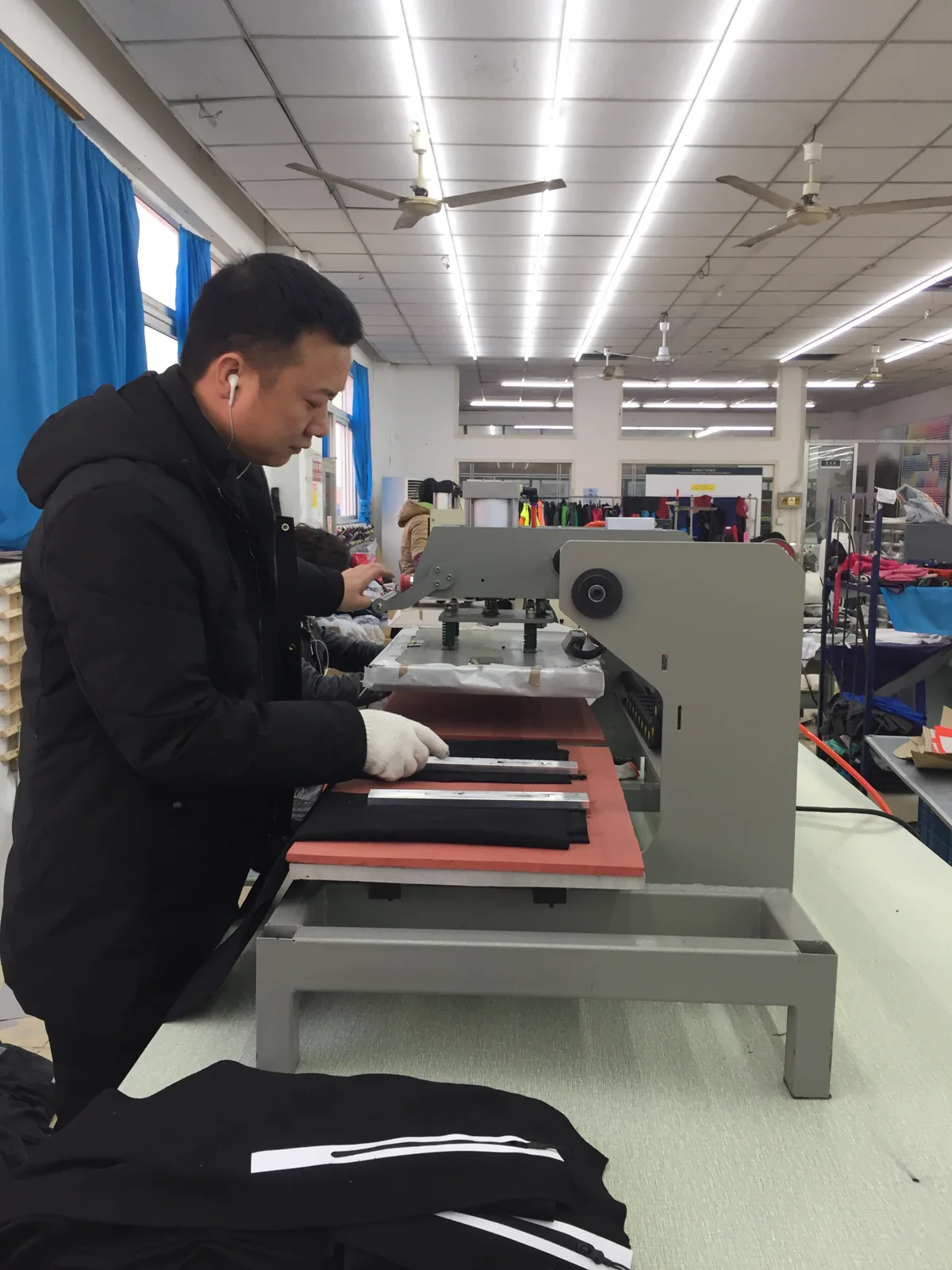
Garment heat-bonding operation illustrating functional construction review

Construction review

Panel joins, seam treatment, closures and other functional details need to match the approved specification. Review the relevant operations with the material and garment configuration in mind.

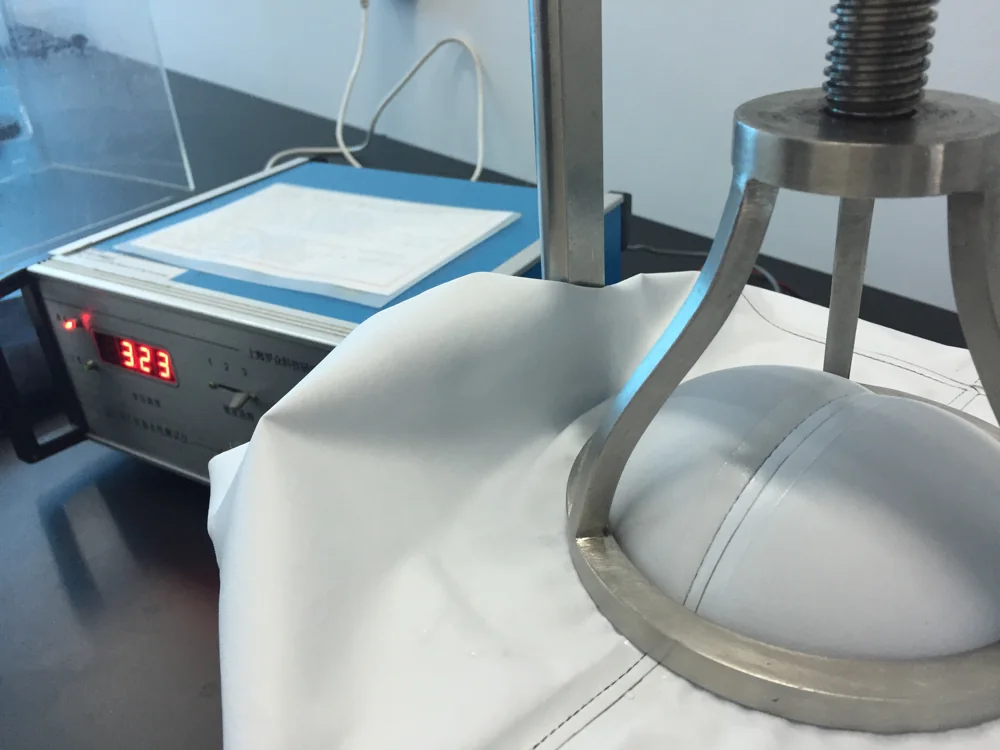
Hydrostatic testing equipment illustrating the review of waterproof performance evidence

Performance evidence

Ask what was tested, which method was used and which sample or material the result applies to. A report for one fabric or configuration should not be treated as a promise for every jacket.

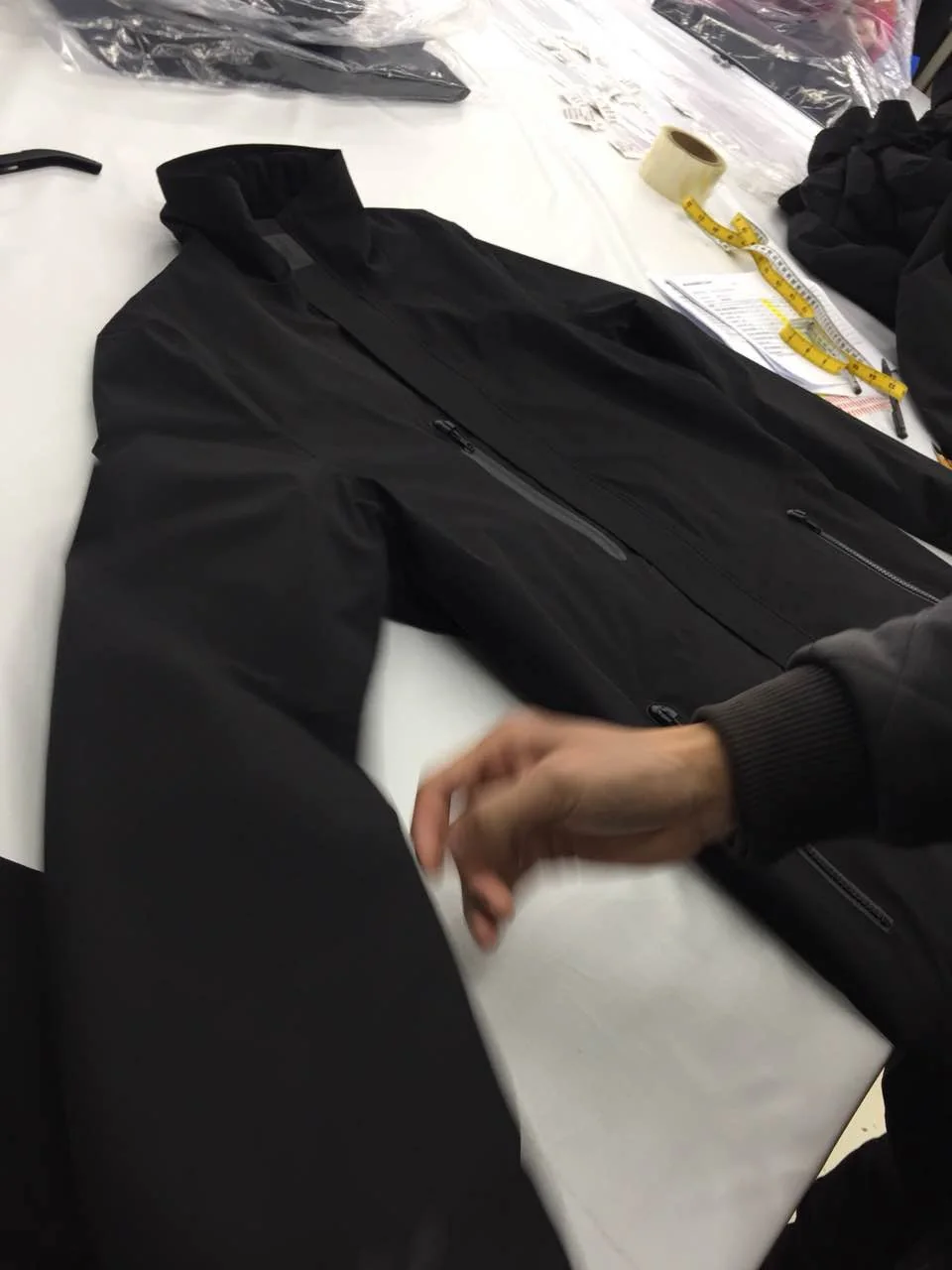
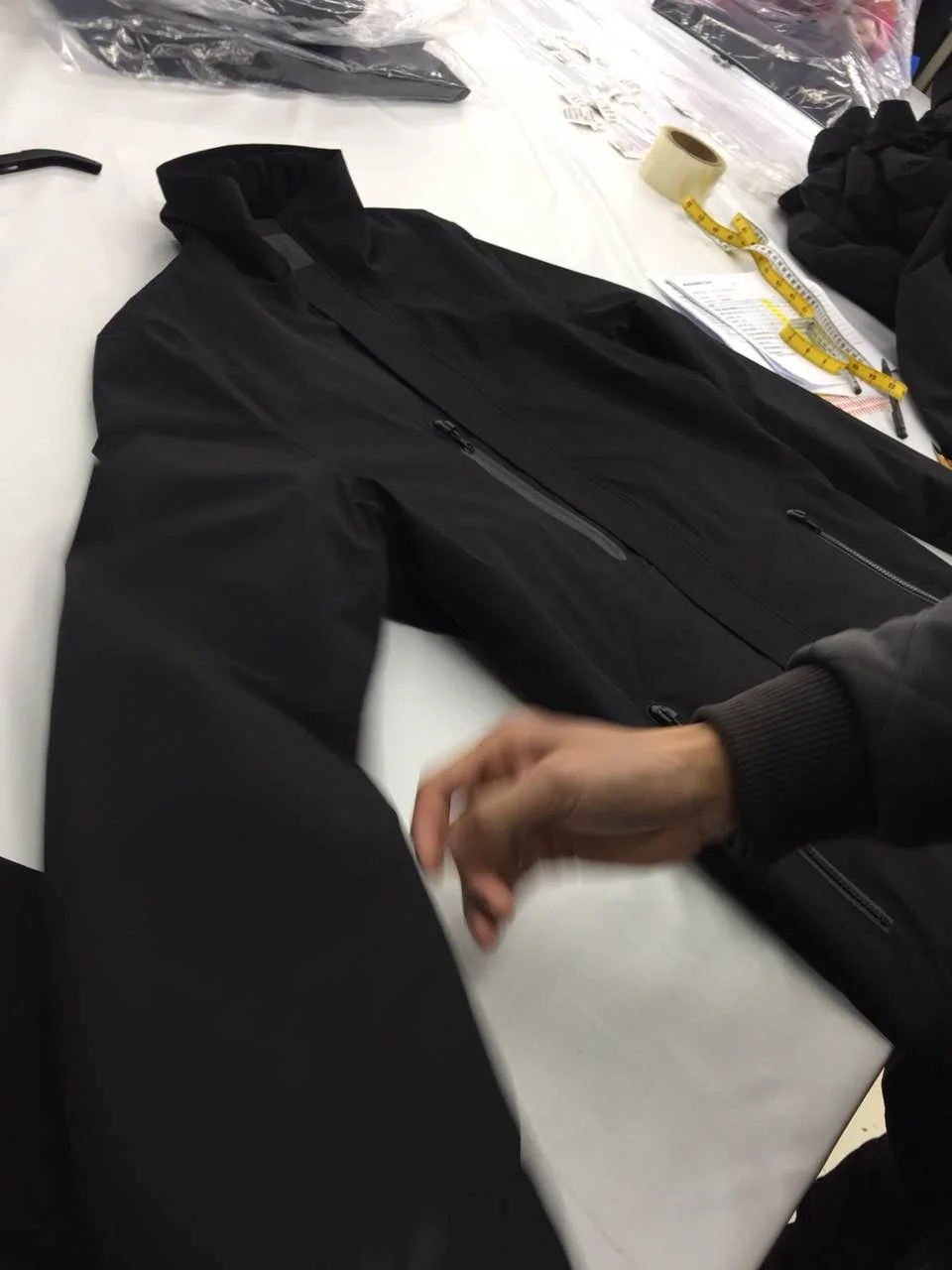
Garment inspection illustrating sample and order quality checks

Sample and order checks

Agree measurement points, tolerances, appearance requirements, construction checks and packing criteria. Use those references to review the sample and the production order.

For a performance-led jacket: share the required result and test method, target market, intended use and whether the requirement applies to a material, component or finished garment. Certification and protective claims require applicable, current evidence.

INSIDE SNOSEAM

Connect the product brief with the manufacturing process

SNOSEAM focuses this website on jacket development and manufacturing for business buyers. The conversation brings product direction, materials, pattern and fit, sampling, production planning and quality review into one project record.

When you evaluate a manufacturing partner, ask to see the processes relevant to your jacket. The right discussion goes beyond a factory photograph: identify the construction involved, the approved reference, the checkpoints and the evidence available for your order.

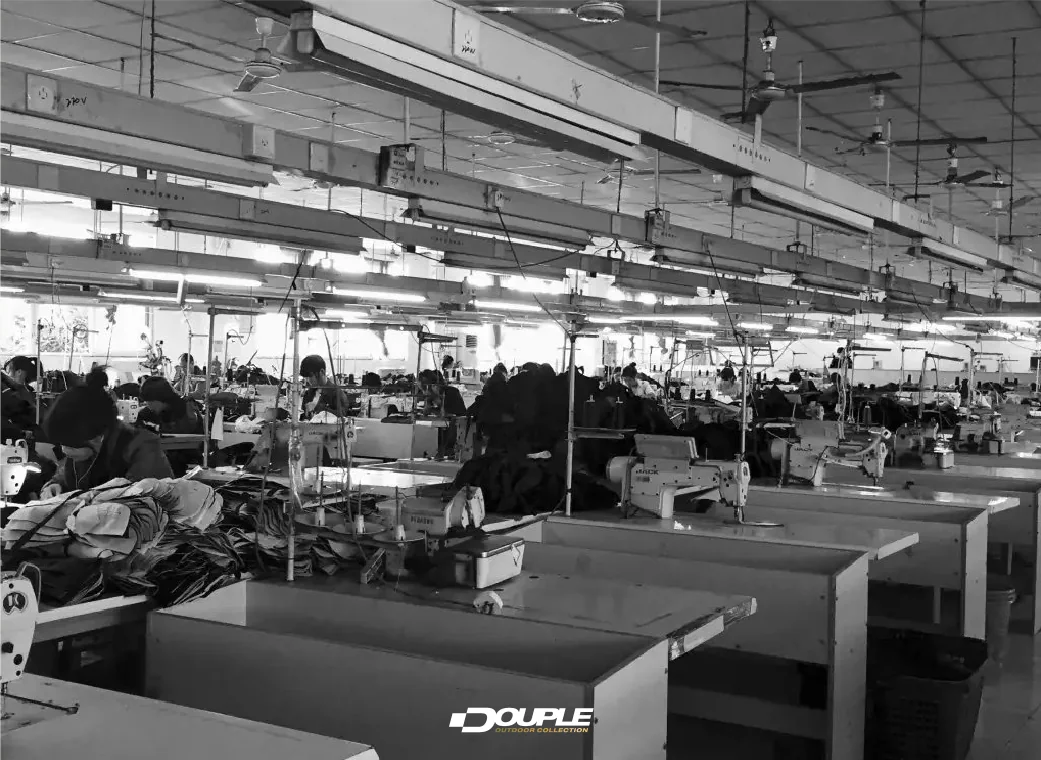
Garment sewing production floor
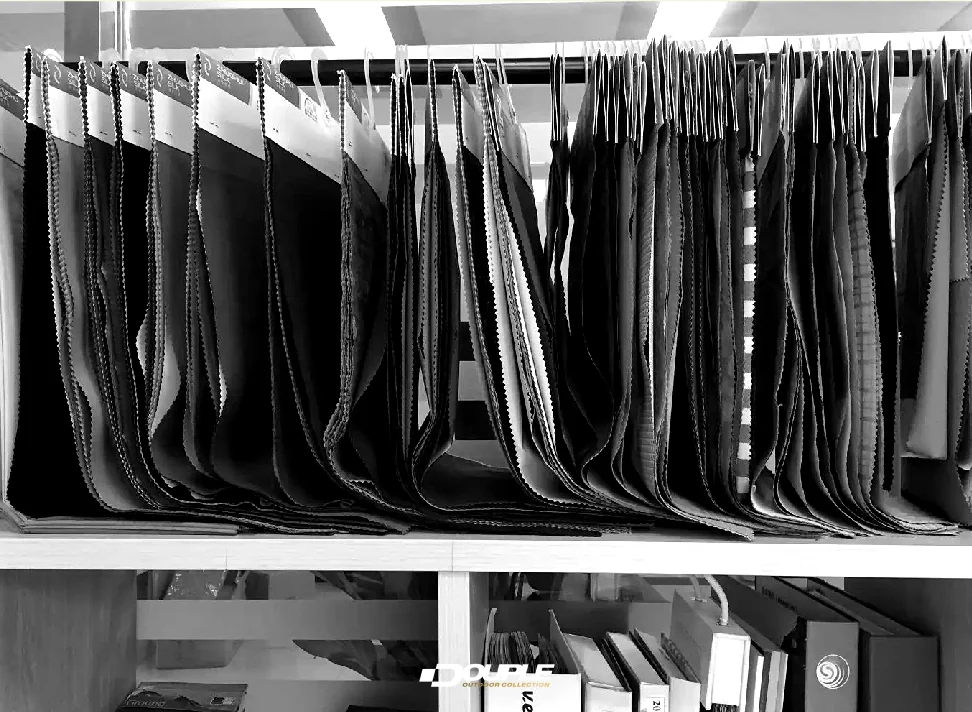
Fabric and material sample room supporting jacket development

PRODUCT DEVELOPMENT REFERENCES

Use a real garment to make your brief clearer

A reference photograph can communicate design direction, but it does not establish a material composition, internal construction or performance result. Match your chosen reference with the details you want to keep, change or verify.

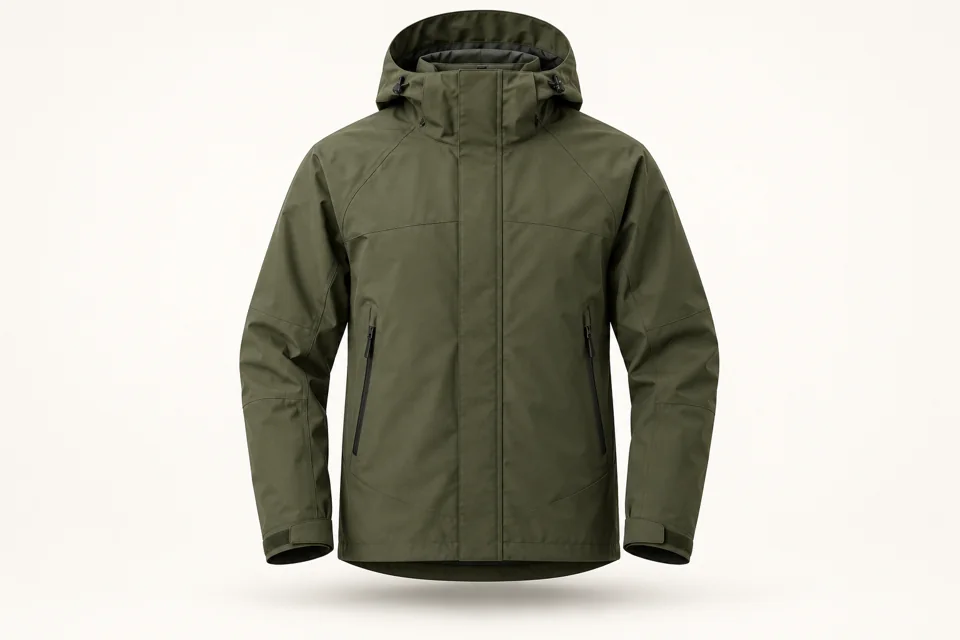
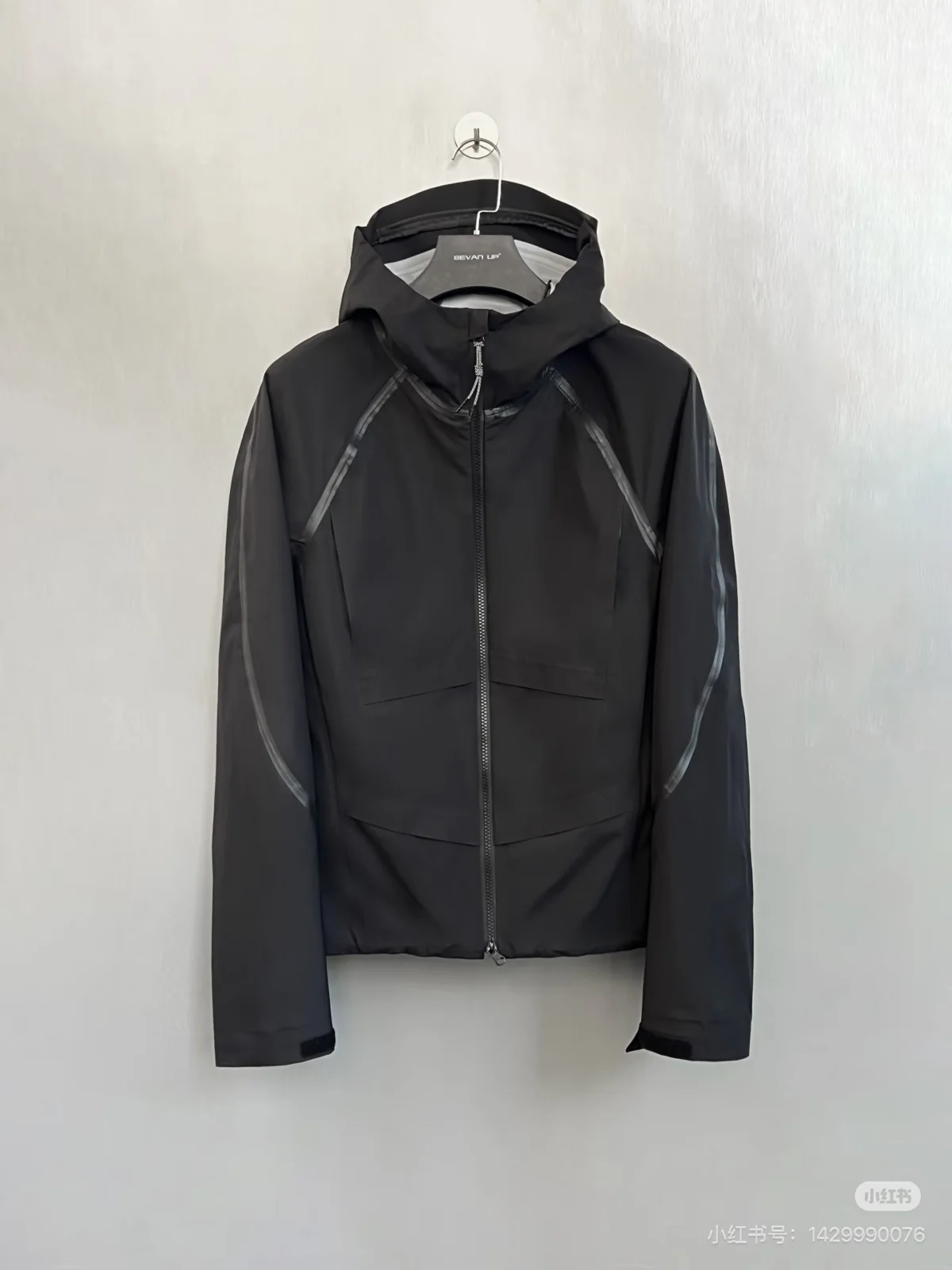
Black hooded shell jacket reference for reviewing coverage, closures and custom construction

Hooded shell direction

Use this direction to discuss coverage, closure layout, material system and the construction evidence required for your jacket.

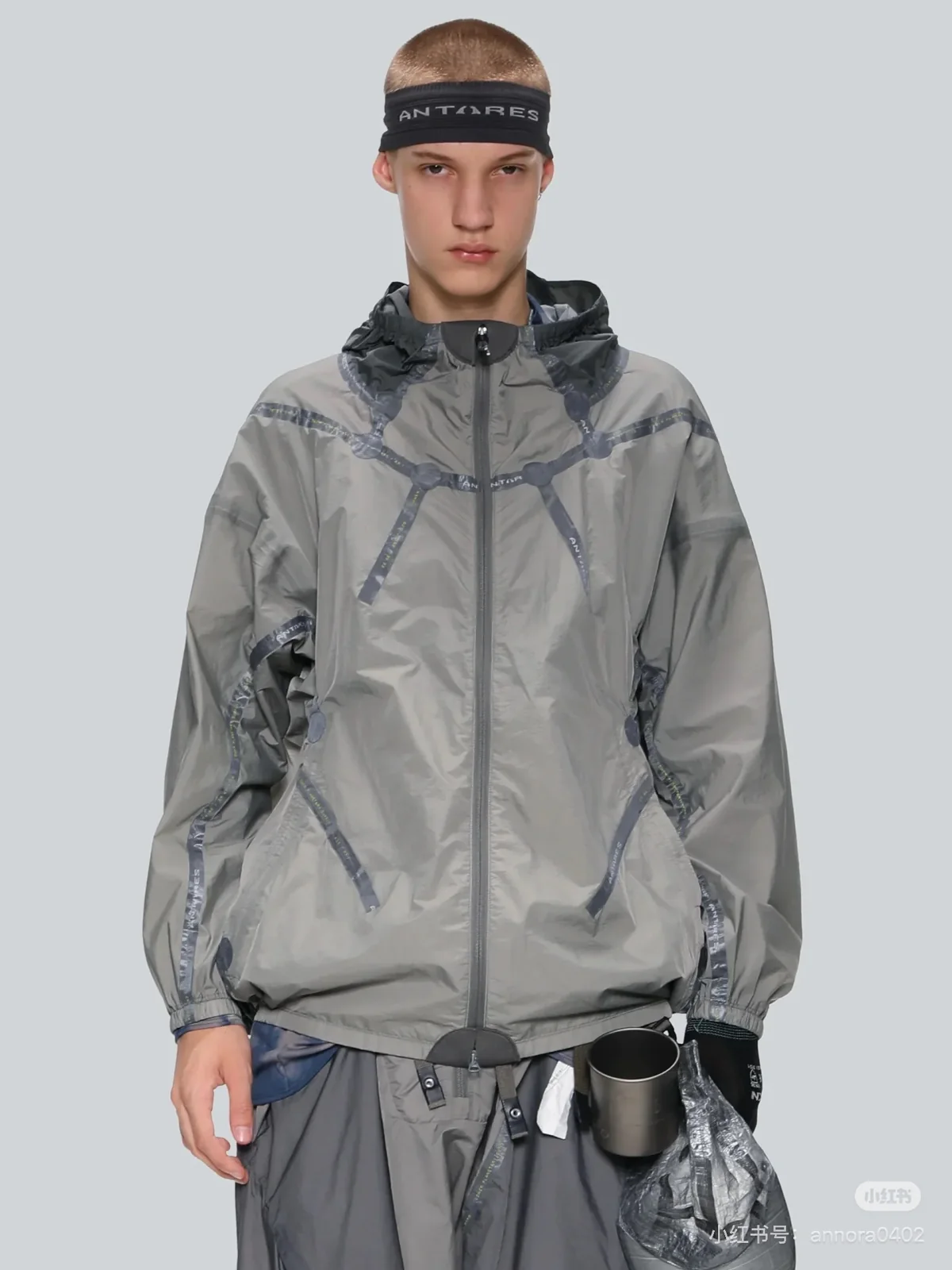
Grey hooded outerwear reference for reviewing lightweight jacket silhouette and pocket layout

Lightweight outerwear direction

Use a reference to explain silhouette, garment length, pocket layout and the balance between protection, comfort and packability.

Two-tone hooded jacket reference for custom outerwear development at SNOSEAM

Colour block outerwear direction

Share the proportions, panel colours, branding position and fit you want to retain, then identify the changes that need development.

PROCUREMENT QUESTIONS

Get the practical questions into the brief early

Quantities, timelines and performance requirements are easier to assess when they are connected to a product specification. These answers explain what to prepare; the commercial terms for your order are confirmed against its actual scope.

Can we start without a complete tech pack?

Yes. Start with the information you have: a reference garment, photographs, sketches or a written brief. Identify the wearer, use conditions, product direction and requirements already decided. We can then identify what still needs development before a quote or sample can be confirmed.

What should we send for an OEM jacket quote?

Send the jacket type, intended use, reference or tech pack, fabric and construction requirements, branding, estimated quantity, size breakdown where available, target market, packaging and delivery window. Mark unknowns clearly so the quote can state its assumptions.

How are MOQ and order quantities assessed?

MOQ depends on the selected style and the fabric, colour, trim and packaging supply conditions. Share the quantity for each design and colour, plus the expected size breakdown. The applicable minimums and any material constraints are confirmed for the project.

How long do sampling and bulk production take?

Timing depends on material availability, development complexity, sample revisions, approval speed and the order arrangement. Provide your target delivery date early. Sampling and production dates are agreed after the relevant inputs and dependencies have been reviewed.

Can you develop waterproof and breathable jackets?

These projects need a defined fabric system, seam construction, closures and validation requirements. Share the intended weather exposure and any required test method or result. Claims must be supported by evidence applicable to the selected material or garment configuration.

What can be customized for private label?

The project can be reviewed for fit, fabric, colour, panel design, pockets, hood details, trims, branding, labels and packaging. Confirm which features are fixed and which are open. A change to an approved material or construction may need a new sample or additional validation.

How do we approve fit and the sample?

Use an agreed size chart, measuring points, tolerances and layering assumptions. Review appearance, movement, construction and branding, then record comments against the sample version. Keep the approved garment and specification as the reference for bulk planning.

How should we handle quality and testing requirements?

Set the acceptance requirements before production. Identify the relevant measurements, visual and construction checks, test methods and packaging criteria. Confirm the scope of any report, certificate or protective claim rather than assuming it covers the entire product range.

Can we plan repeat orders?

Share the likely reorder pattern and the details that need to stay consistent. Retain the approved specification, material and trim references, artwork and packing requirements. Review availability and approve any substitutions before confirming the repeat order.

What if the brief is still changing?

Separate the decisions that are approved from the options still under review. Changes in fabric, construction, fit or branding can affect samples, validation, cost and timing. Record the revised scope before proceeding so the next step is based on the correct version.

PRACTICAL DEVELOPMENT RESOURCES

Prepare for the next decision

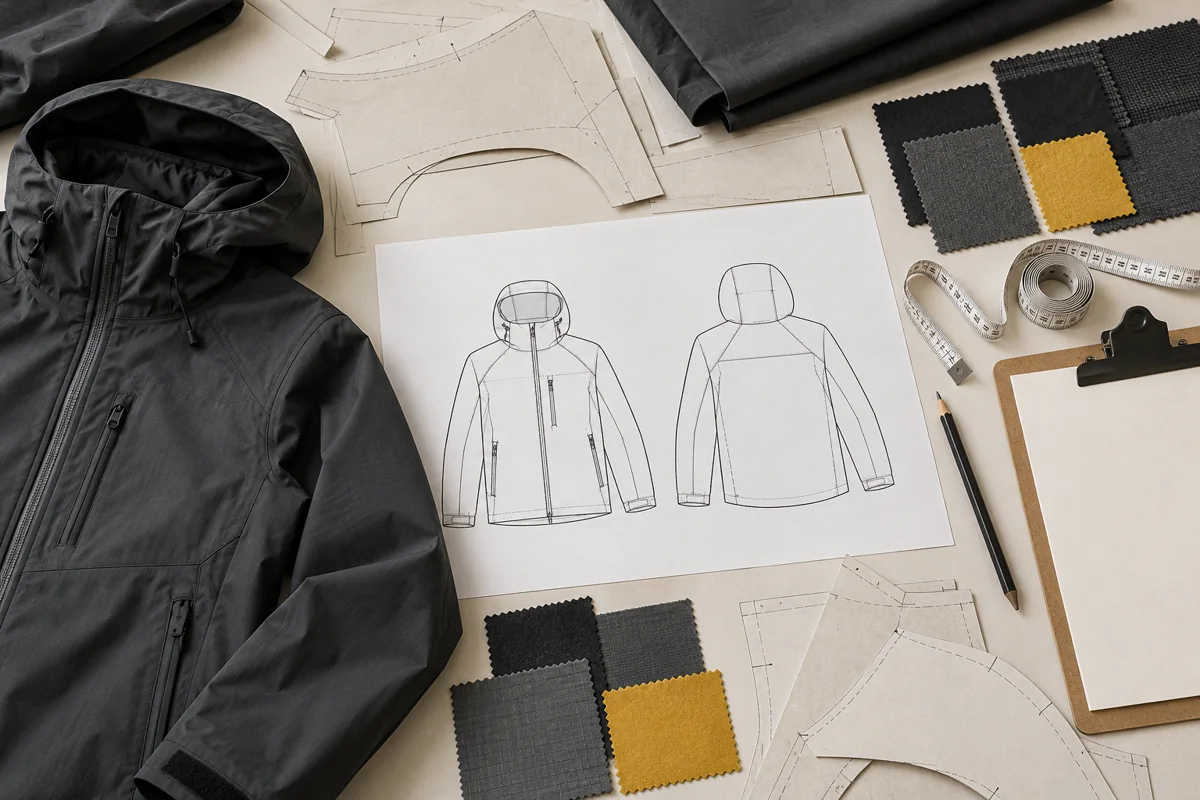
Jacket sample, technical drawing, pattern pieces and fabric swatches illustrating specification planning

Specify a waterproof jacket

Work through use conditions, fabric and construction choices, testing scope and the information needed for a comparable OEM quote.

Garment heat-bonding process illustrating the functional construction resource

Review functional construction

Connect panel layout, seams, closures, hood shape and adjustment points with your selected jacket configuration.

Garment inspection illustrating the quality checkpoint resource

Define your quality checkpoints

Prepare the measurements, appearance requirements, construction checks and acceptance references for the order.

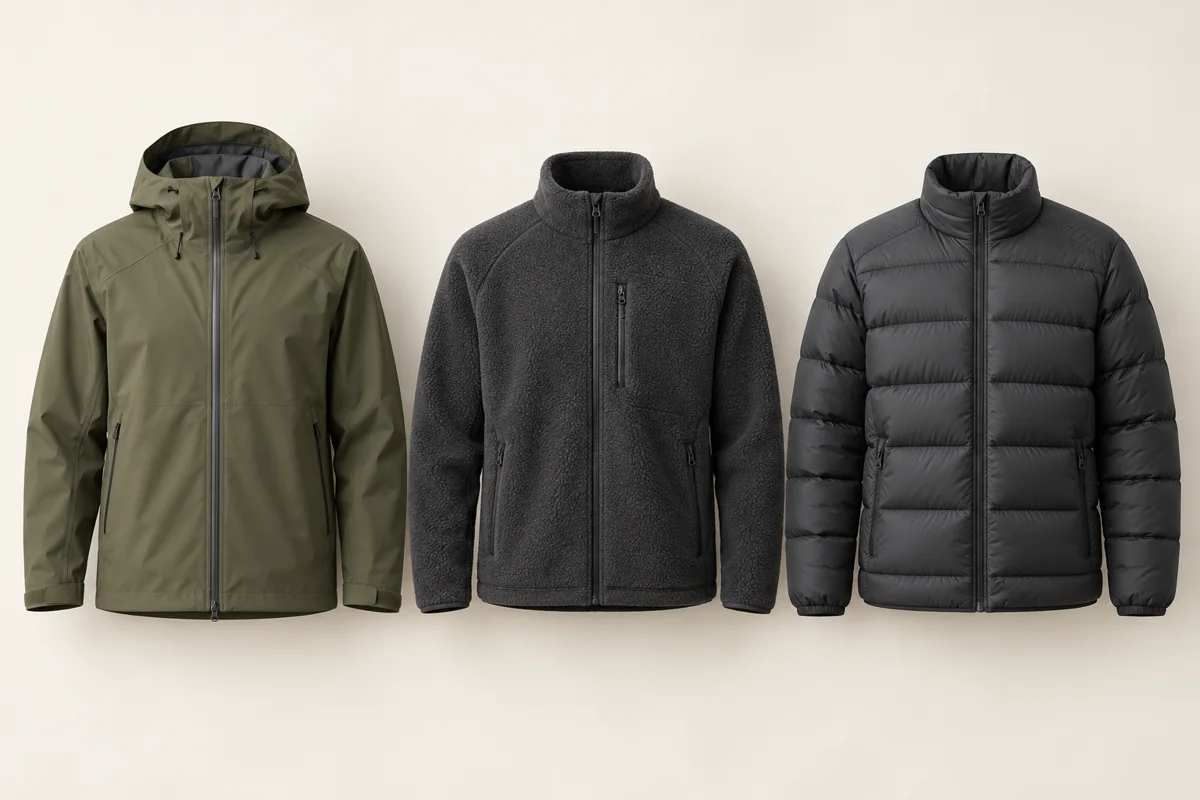
Shell, fleece and puffer jacket concepts illustrating weather protection, layering and warmth categories

START WITH YOUR PROJECT BRIEF

Bring your brief Work through the open decisions

Tell us what you are developing and what the jacket needs to do. Share the requirements already confirmed and the choices you want to review. A clear brief gives the next conversation a useful starting point.

  • Jacket category, intended wearer and use conditions
  • Reference sample, photographs, drawings or tech pack
  • Materials, construction, branding and test requirements
  • Quantity range, target market and delivery window

If a detail is still undecided, mark it as open. We can identify the information needed for the next development step.